Why Go Solar in Washington?
Washington is widely known for its rainy winters and cloudy days, but it is also one of the most promising states in the Pacific Northwest for solar energy. With long summer days, cooler temperatures that boost panel efficiency, and strong renewable-energy policies, Washington offers an excellent environment for installing a solar panel system. Solar adoption continues to grow rapidly across both western and eastern regions of the state as homeowners seek reliable, clean energy and long-term financial savings.
One of the biggest benefits of going solar in Washington is the financial return. Although Washington’s electricity prices are relatively low compared to national averages, they have steadily increased in recent years. Installing solar panels for home use protects homeowners from future rate hikes by providing stable, long-term energy production.
Washington also offers sales tax exemptions for qualifying solar installations, which dramatically reduces project costs. Some utilities, including Puget Sound Energy and others, provide incentive programs that further improve savings. Combined with net metering, which allows homeowners to receive bill credits for excess electricity they send back to the grid, solar becomes a practical and cost-effective investment.
Resilience is another major reason Washington residents are adopting solar. As wildfire seasons worsen and extreme weather events become more frequent, many homeowners are pairing solar systems with solar battery backup to maintain power during outages. This rising interest in solar storage solutions strengthens energy independence and helps households remain safe and comfortable during emergencies.
How Do Solar Panels Work?
To understand the value of solar energy in Washington, it helps to revisit solar energy basics. A solar energy system begins with photovoltaic (PV) cells housed inside each solar panel. These cells are made of semiconductor materials such as silicon. When sunlight reaches the cells, even diffused light during cloudy days, the photons energize electrons, producing direct current (DC) electricity.
Homes run on alternating current (AC), so a solar system includes an inverter to convert DC electricity into usable AC power. Once converted, electricity flows into the home’s electrical panel to power lights, appliances, heating systems, and electronics. When panels generate more energy than the home needs, the excess can be exported back to the grid under Washington’s net-metering rules or stored in solar batteries for later use.
Despite Washington’s reputation for cloudy winters, solar systems operate efficiently year-round. PV panels are highly sensitive to diffused light and continue producing electricity even through cloud cover. In cooler climates like Washington, panels operate more efficiently because heat reduces PV performance. When paired with solar power storage, homeowners can capture excess production during sunny summer months and use stored electricity during evening hours or grid outages.
Solar equipment installed in Washington is designed to withstand rain, snow, and wind. Tempered glass and weather-sealed casings protect PV cells from moisture and temperature changes, ensuring reliable performance through all seasons.
How Much Power Can I Generate with Solar in Washington?
Washington experiences a wide range of solar potential depending on geographic region. Eastern Washington, particularly areas like Yakima, Spokane, and the Tri-Cities, receives some of the highest annual sunlight in the entire Pacific Northwest. Western Washington, including Seattle, Tacoma, Everett, and Olympia, receives less direct sunlight but benefits from long summer days and mild temperatures, which significantly improve overall production.
On average, Washington receives 3.5 to 4.5 peak sun hours per day, depending on the location. A typical 6-kW solar system in Washington can generate between 6,500 and 8,500 kilowatt-hours (kWh) annually. Eastern regions often achieve higher production levels, while western regions maintain stable output thanks to extended daylight in spring and summer.
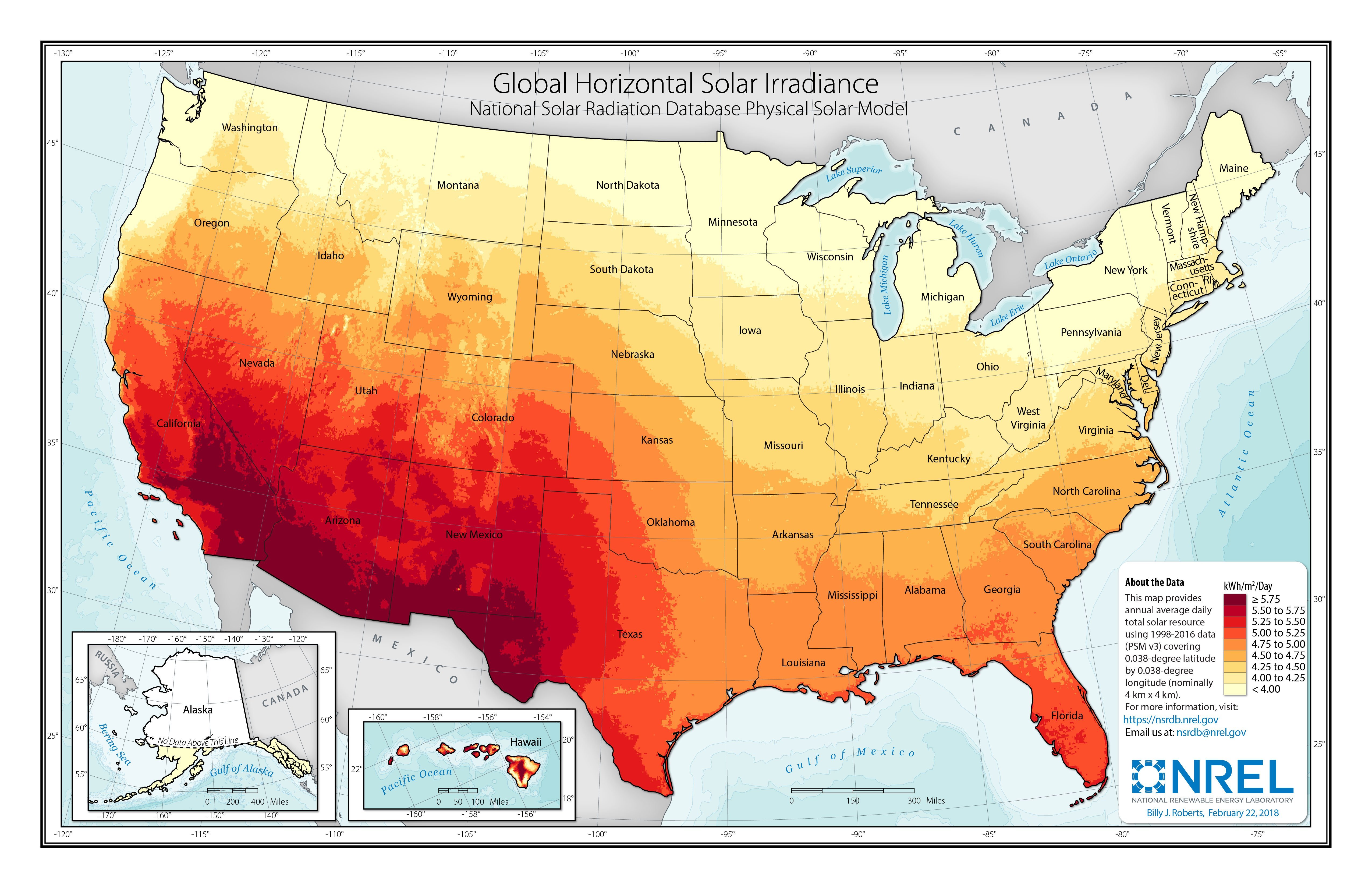
Roof orientation and shading play major roles in overall production. South-facing roofs are ideal, but east- and west-facing configurations still generate significant energy. Dense tree coverage, common across the Puget Sound region, may reduce output, so microinverters or power optimizers are often recommended to offset shading impacts.
Washington homeowners can use the National Renewable Energy Laboratory’s PVWatts® Calculator to estimate system performance based on local climate, tilt, shading, and panel type. With effective design, many Washington solar installations can offset 60–100% of a household’s annual electricity consumption.
Types of Solar Panels
Washington homeowners considering solar panels for home installations have several panel technologies to choose from. Each type offers unique benefits depending on shading, roof size, climate, and budget.
Monocrystalline Solar Panels
Monocrystalline panels are made from single-crystal silicon and are known for their high efficiency (usually in the 20–23% range). Their uniform black appearance and excellent low-light performance make them one of the best solar panels for Washington’s climate. They maintain strong output during cloudy weather and are ideal for homes with limited roof space.
Polycrystalline Solar Panels
Polycrystalline panels are created from multiple fragments of silicon melted together. Their efficiency ranges from 16% to 18%, making them a cost-effective option for larger installations. These panels perform reliably in Washington’s moderate temperatures, though their output is slightly lower in low-light conditions compared to monocrystalline options.
Thin-Film Solar Panels
Thin-film panels use lightweight, flexible materials rather than traditional silicon wafers. Although they have lower efficiency (10–13%), they offer good performance in diffused light and cloudy weather, making them an intriguing option for specific applications. However, they require more installation space and are less common in Washington homes compared to crystalline panels.
Across all panel types, advancements in production and materials continue to reduce solar cost, making high-quality equipment more accessible statewide.
How Long Do Solar Panels Last?
Modern solar panels typically last between 25 and 30 years, making solar a reliable, long-term energy investment. Many systems continue producing electricity beyond their warranty period, often maintaining 80–85% of their original output after 25 years. Because Washington has moderate temperatures for most of the year, panels experience lower thermal stress compared to hotter states, which can extend their operational life.
Washington’s weather requires panels to withstand rain, snow, and occasional windstorms. PV panels are designed with durable, weather-sealed materials that protect against moisture and corrosion. Coastal regions, such as the Olympic Peninsula, may experience salt exposure, but high-quality panels are engineered to resist environmental wear.
Routine inspections can help extend the solar lifespan of a system. Homeowners should check for signs of shading from tree growth, remove large debris after storms, and monitor system performance. While panels last several decades, inverters typically need replacement every 10–15 years due to component degradation.
With proper care and installation, solar systems in Washington offer reliable energy for decades with minimal decline in performance.
Understanding Solar Inverters
Solar inverters serve as the heart of every system, converting DC electricity generated by solar panels into AC electricity used in homes. They also regulate voltage, track system performance, and provide safety functions. Because Washington homes frequently experience varied sunlight levels, selecting the right inverter is essential.
String Inverters
String inverters connect groups of panels into a single circuit. They work well for unshaded roofs with consistent sunlight exposure, making them suitable for many homes in eastern Washington. They are affordable, durable, and easy to maintain.
Microinverters
Microinverters are mounted behind each individual solar panel, allowing each panel to function independently. This is particularly valuable in western Washington, where tall trees, roof obstructions, or cloud patterns can cause variable shading. Microinverters optimize energy output under partial-shade conditions and provide detailed, panel-level monitoring.
Power Optimizers
Power optimizers combine the features of microinverters and string inverters. They condition DC electricity at each panel before sending it to a central inverter. This improves performance in mixed-light conditions common in Washington’s coastal and urban environments.
Choosing the right inverter configuration helps homeowners maximize energy production, especially in regions with variable sunlight and shade.
Solar Power Storage
Solar power storage has grown rapidly in Washington due to increasing wildfire risks, planned power shutoffs, winter storms, and seasonal outages. Pairing a solar system with a solar battery provides peace of mind and enhances energy independence.
Storage systems collect excess solar energy generated during the day and store it for use at night or when the grid fails. With solar panels for homes producing large quantities of electricity during Washington’s long summer days, storage solutions ensure that homeowners can use their solar energy even after sunset.
Lithium-Ion Batteries
Lithium-ion batteries are the most popular type of solar storage system in Washington.
- Lithium Iron Phosphate (LiFePO₄) batteries offer a long cycle life, improved safety, and excellent thermal stability—ideal for Washington’s variable temperatures.
- Nickel Manganese Cobalt (NMC) batteries provide high energy density, suitable for smaller installation footprints.
Lead-Acid Batteries
Lead-acid batteries cost less upfront but require frequent maintenance and do not perform as efficiently in cold temperatures. These characteristics make them more suitable for seasonal cabins or backup-only applications rather than full-time residential use.
Flow Batteries
Flow batteries store energy in liquid electrolyte tanks and offer a very long cycle life. While not commonly used in residential systems due to their size and cost, they are increasingly popular for commercial and industrial projects in eastern Washington.
Storage adds resilience during outages caused by wildfires, windstorms, or winter weather, allowing homeowners to maintain power for essential appliances.
How Often Do You Need to Maintain Solar Panels?
Solar panel maintenance in Washington is simple and requires minimal effort. Most systems require only periodic inspections and occasional cleaning. Western Washington’s regular rainfall helps naturally clean panels by washing away pollen, dust, and debris. This reduces the need for manual cleaning compared to drier regions.
In regions with heavier tree coverage, periodic cleaning may be necessary to remove leaves, sap, or needles that accumulate on panels. Homeowners should avoid abrasive materials and chemicals when cleaning to prevent surface damage.
In eastern Washington, dust and pollen may accumulate more frequently, especially during dry summers. A quick rinse may help maintain optimal performance. After heavy snowfall, panels often clear themselves naturally when sunlight warms the surface. Manual snow removal is generally discouraged due to the risk of scratching the glass.
Annual inspections typically include checking wiring, mounting hardware, inverters, and overall system performance. With proper maintenance, panels operate efficiently throughout their long solar lifespan, providing decades of reliable electricity.
Do Solar Batteries Need Maintenance?
The maintenance needs of solar batteries vary by type. Lithium-ion batteries, which are widely used in Washington homes, are essentially maintenance-free. They include built-in battery management systems that regulate temperature, balance cells, and prevent overcharging. Homeowners may only need periodic system checks and software updates.
Lead-acid batteries require more routine upkeep. They must be checked regularly for water levels, terminal corrosion, and ventilation. Because Washington’s winter temperatures can affect battery performance, lead-acid systems must be stored in controlled environments.
Flow batteries require minimal mechanical maintenance aside from monitoring pump and electrolyte levels. Their long cycle life makes them valuable for large installations, though they are less common in residential settings.
Proper maintenance of solar storage ensures consistent performance during outages and extends the functional lifespan of the system.